
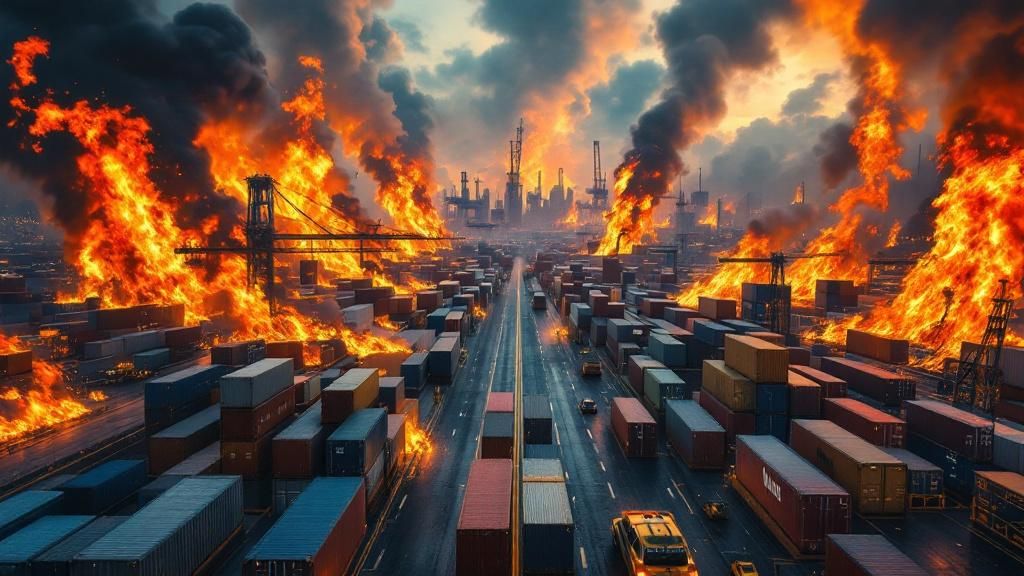
The global trade terrain has declined significantly as the world’s prominent economies adopt progressively tougher tariff frameworks, triggering a cascade of retaliatory measures that threaten to unravel long-standing commercial relations. From cross-Atlantic tensions to strain in the Indo-Pacific, protectionist policies are transforming world markets and prompting alarm amongst economists and policymakers alike. This article analyses the intensifying trade conflict, its underlying causes, and the likely impacts for companies and shoppers internationally.
Increasing Protectionism and Financial Impact
The resurgence of trade protectionism constitutes a fundamental shift in how large nations approach international commerce. Governments are increasingly prioritising local businesses over free trade principles, citing concerns about workforce displacement and domestic security. This shift has emerged via significant duty hikes on imported goods, notably in sectors such as steel, aluminium, and technology. The consequences extend beyond simple price changes, potentially undermining logistics systems that have been carefully built over decades, finally influencing companies large and small across numerous regions.
Financial analysts warn that escalating tariff walls could substantially hinder worldwide economic expansion and household spending capacity. When import duties take effect, expenses generally flow across supply chains, leading to increased costs for shoppers and lower profitability for companies. Additionally, retaliatory measures create uncertainty in markets, discouraging investment and innovation. The International Monetary Fund has warned that prolonged trade tensions could lower worldwide GDP growth, particularly impacting emerging economies that depend heavily on trade-based growth models. These interconnected consequences underscore the precarious state of contemporary international trade.
Key Players and Strategic Responses
The growing tariff crisis affects the world’s leading economies, each advancing distinct policy goals to shield home-based sectors and secure strategic positioning. The United States, European Union, and China represent key players, with secondary players including Japan, India, and the United Kingdom implementing complementary measures. These nations’ positions reveal contrasting financial goals, strategic concerns, and internal political demands, jointly escalating worldwide trade disputes and creating unprecedented uncertainty for international businesses and distribution networks worldwide.
US Commercial Policy Changes
The United States government has implemented a protectionist policy, levying considerable tariffs on Chinese products, steel imports, and aluminium imports whilst threatening further tariffs on automobiles from Europe and farm produce. These policies aim to decrease America’s ongoing trade deficit and revitalise domestic manufacturing sectors decimated by decades of globalisation. Policy leaders contend that strategic tariffs protect national security interests and create fair competition against unfair foreign trading practices, notably regarding theft of intellectual property and forced technology transfer requirements.
American businesses confront significant uncertainty concerning upcoming tariff arrangements and potential retaliatory actions from trading partners. Manufacturing sectors such as automobiles, agriculture, and technology have organised considerable lobbying initiatives against planned levies that undermine profitability and competitiveness. The administration’s erratic policy direction has generated instability in financial markets, prompting companies to review supply chain arrangements and consider relocating production facilities to tariff-advantaged jurisdictions.
- Levy tariffs on Chinese goods totalling over three hundred billion dollars per year
- Implement steel and aluminium duties influencing partner countries considerably
- Threaten additional tariffs on European automobiles and farm exports
- Prioritise two-country trade deals rather than international trade agreements
- Employ tariff threats as negotiating leverage in trade talks
Worldwide Market Implications
The escalating tariff disagreements have triggered considerable volatility across global financial markets, with equity indices recording considerable movements as investors reconsider economic forecasts. Currency markets have grown increasingly unstable, reflecting uncertainty regarding upcoming trade policies and their consequences for business earnings. International corporations, particularly those reliant on cross-border logistics chains, face mounting pressure as production costs surge and purchasing demand softens. Analysts anticipate that sustained trade tensions could reduce international gross domestic product growth, potentially triggering recessionary conditions across mature and emerging economies alike.
Consumer-facing industries face particularly acute challenges, as tariff-induced price increases threaten purchasing power and demand elasticity. Manufacturing sectors reliant upon imported raw materials and components face compressed margins, whilst agricultural producers grapple with retaliatory restrictions on exports. Financial institutions have begun tightening credit conditions in the face of heightened macroeconomic uncertainty, potentially constraining investment and employment growth. Policymakers globally must navigate this challenging environment whilst maintaining economic stability and employment levels, necessitating joint diplomatic action to reduce tensions and restore confidence in multilateral trade frameworks.
